Cationic Emulsifiers
KASE (High-Performance Cationic Asphalt Emulsifier)
KASE is a cationic surfactant system for producing rapid-setting (CRS) and medium-setting (CMS) bitumen emulsions used in surface treatments and tack coats.
It gives formulators precise control over breaking time and setting speed, so emulsion plants can match the product to chip seal, tack coat, or slurry seal specifications.
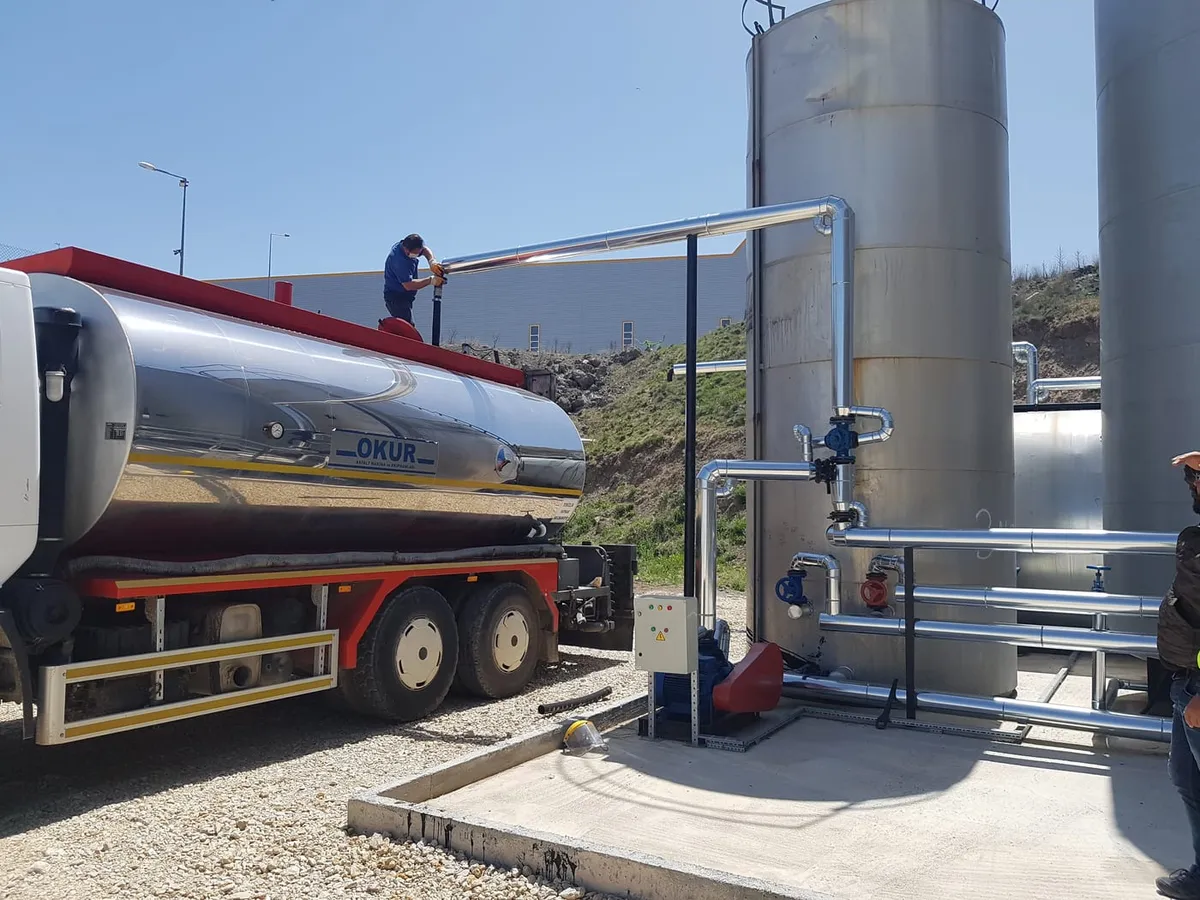
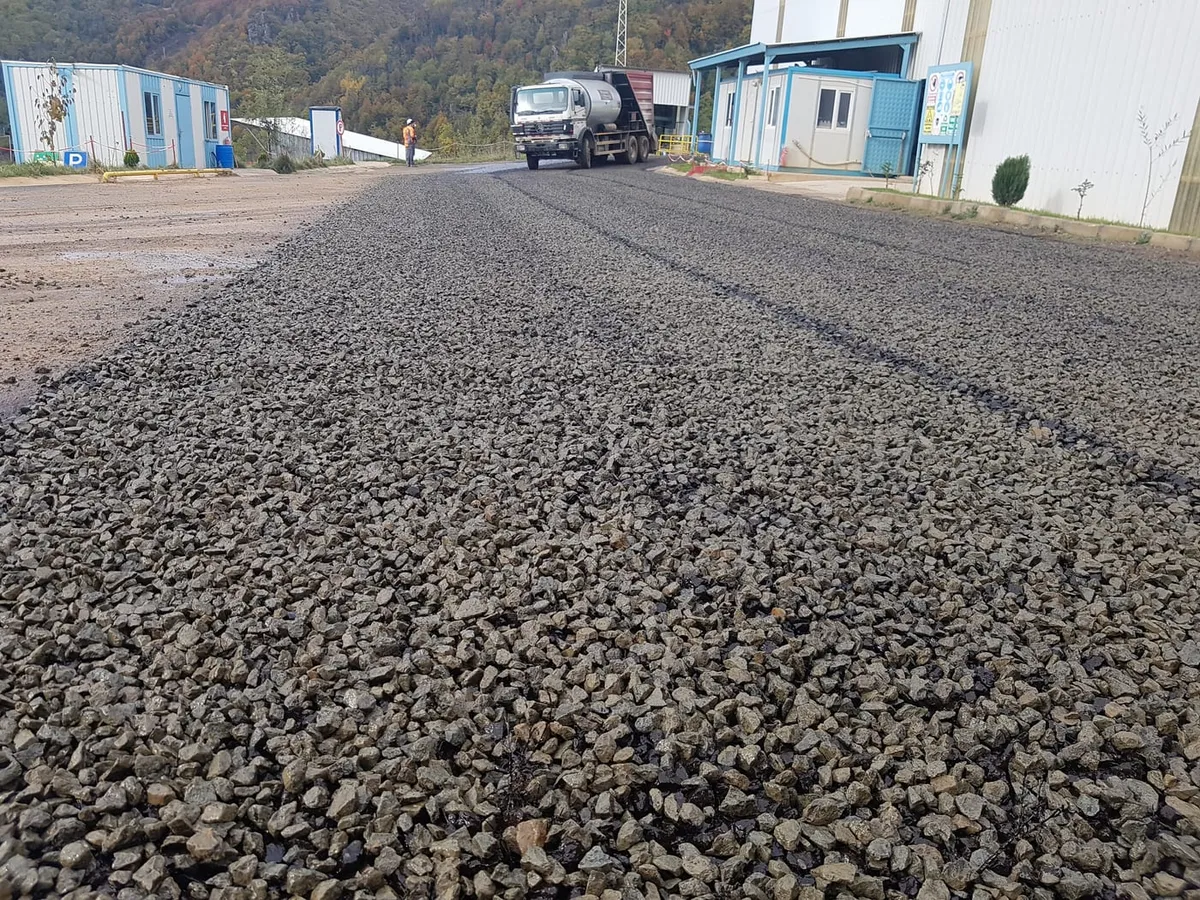
What Is a Cationic Asphalt Emulsifier?
A cationic asphalt emulsifier is a surfactant chemical that allows solid bitumen to be suspended as tiny, positively charged droplets in water, producing a pumpable, sprayable liquid emulsion instead of a hot, viscous binder. Because most road aggregates carry a slight negative surface charge, the cationic (positively charged) droplets are drawn to and bond strongly with the stone once the emulsion "breaks" and the water evaporates.
This chemistry is what makes bitumen emulsions practical for road work at ambient temperature: no burners, no hot storage tanks, and safer handling for crews. Cationic emulsifiers are the basis for chip seals, tack coats, slurry seals, and cold in-place recycling — essentially any road treatment where contractors need a sprayable binder that sets predictably and adheres well to damp or dusty aggregate.
| Property | Value |
|---|---|
| Ionic Charge | Cationic |
| Appearance | Dark brown liquid |
| pH (1% solution) | 2.5 – 4.0 |
| Storage | Can be stored at ambient temperature |
| Shelf Life | At least 24 months |
| Packaging | 180 kg drums |
| Form | Liquid, ready-to-use concentration |
| Types | Cationic emulsifiers (rapid / medium / slow-setting) |
Key Benefits
- Configurable rapid- or medium-setting behavior from one product
- Strong electrostatic bond to negatively charged aggregates
- Consistent breaking times across a range of aggregate types
- Chemical stability through pumping, storage, and spraying
Applications
- Chip seals
- Tack coats
- Slurry seals and micro-surfacing
- Surface dressing on highways and airfields