Asphalt Stabilizing Additives
Wholesale Cellulose Fiber
Our cellulose fiber is a binder-stabilizing additive for stone mastic asphalt (SMA) and porous asphalt mixes, preventing bitumen drain-down during transport and laying.
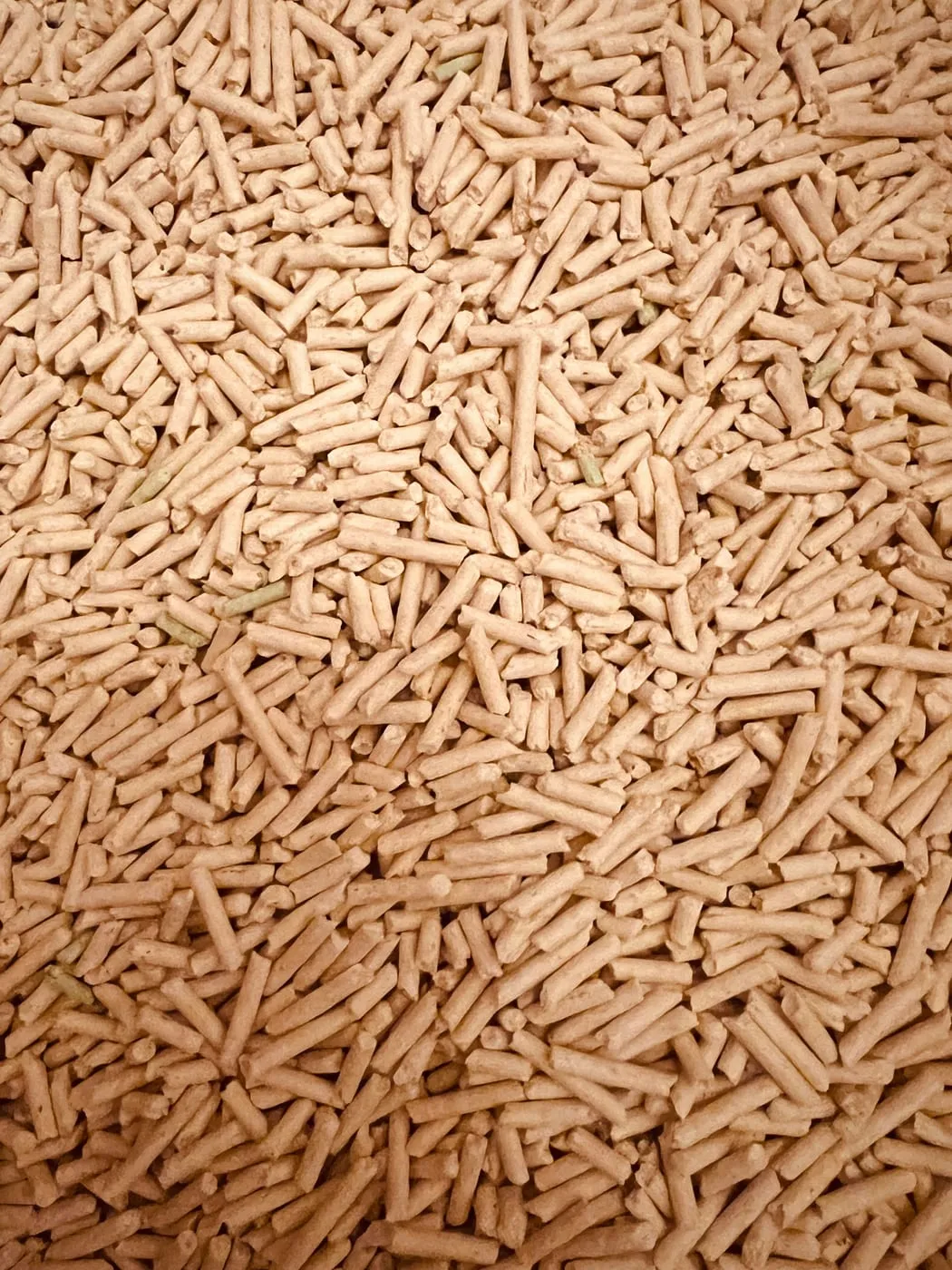
Supplied as loose fiber or pelletized for automatic dosing, it disperses evenly through the mix at low dosage rates without affecting workability.
What Is Cellulose Fiber Used for in Asphalt?
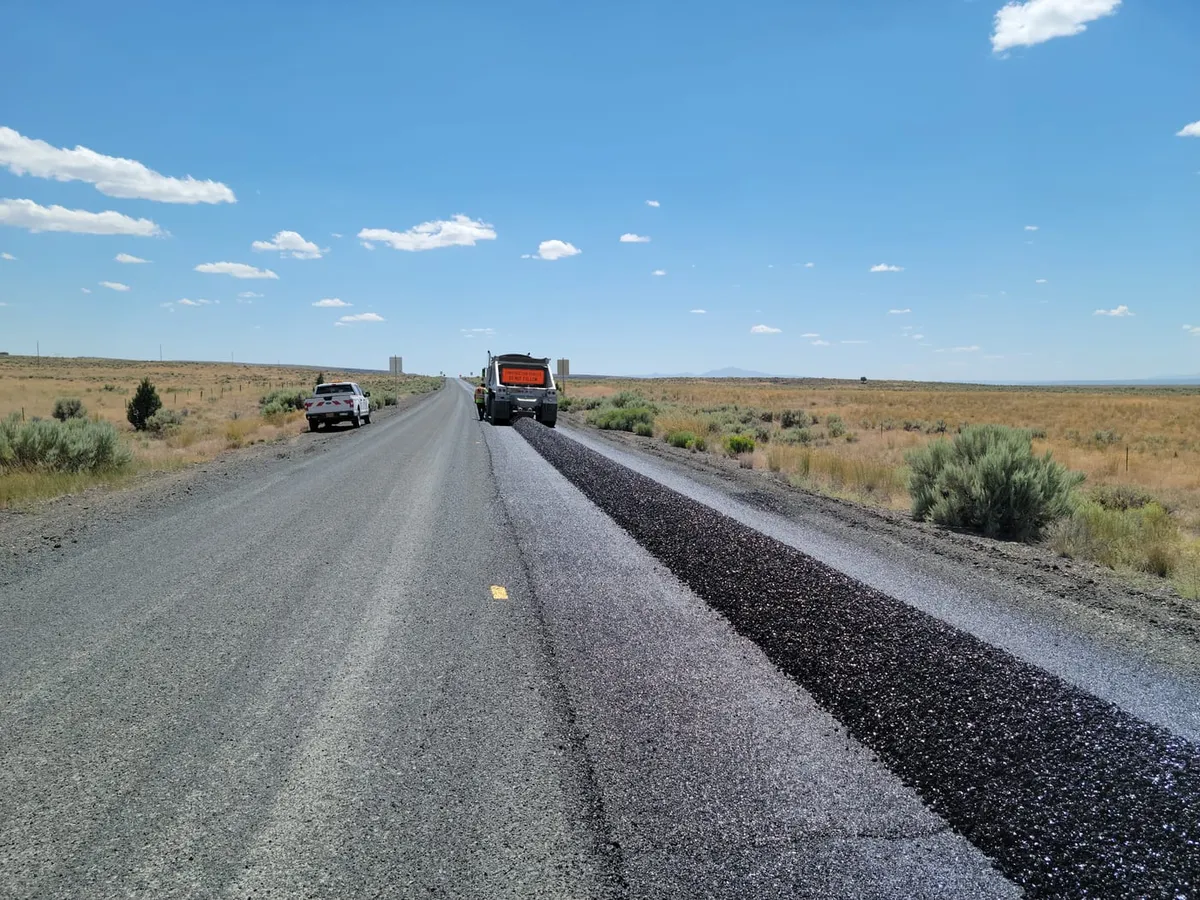
Stone mastic asphalt (SMA) and other high-bitumen-content mixes use more binder than conventional dense-graded asphalt to maximize durability, which creates a risk: without something to hold it in place, the excess bitumen can drain out of the mix during transport and laying — a defect called drain-down. Cellulose fiber is added at a low dosage to physically absorb and stabilize this extra binder within the mix.
By preventing drain-down, cellulose fiber lets asphalt producers use richer binder contents safely, which is what gives SMA and porous asphalt their characteristic durability, rut resistance, and — in the case of porous mixes — drainage performance. It's a standard additive wherever a mix design calls for stone mastic asphalt, porous friction courses, or other gap-graded, binder-rich mixes.
| Property | Value |
|---|---|
| Appearance | Gray-green loose fiber or pellets |
| Fiber Length | 0.5 – 2.5 mm |
| Dosage Rate | 0.3 – 0.5% by weight of mix |
| Bulk Density | 40 – 60 g/L (loose fiber) |
| Form | Loose fiber or pelletized |
Key Benefits
- Prevents binder drain-down in high-bitumen-content mixes
- Improves mix durability and rutting resistance
- Available loose or pelletized for automated plant dosing
- Low dosage rate keeps additive cost per tonne low
Applications
- Stone mastic asphalt (SMA)
- Porous and open-graded friction courses
- High-modulus asphalt mixes
- Thin surfacing overlays